Blog / What Is In Pre-Workout? An Ingredient-by-Ingredient Guide [2026]
What Is In Pre-Workout? An Ingredient-by-Ingredient Guide [2026]
What Is In Pre-Workout?
If you've ever looked at a pre-workout label and thought "this is half chemistry class, half marketing," you're not imagining it. Some formulas are useful. Some are overloaded. And many mix ingredients that work differently: some help acutely, others only make sense with consistent use over time.
In 30 Seconds
- Most pre-workouts combine stimulants, anti-fatigue ingredients, pump / blood-flow ingredients, and sometimes recovery-oriented compounds.
- The ingredients with the strongest practical relevance tend to be caffeine, beta-alanine, creatine, and citrulline.
- Not every useful ingredient needs to be in the same product.
- A long label does not automatically mean a better pre-workout.
- What matters most is dose transparency, goal fit, and your own tolerance.
The Ingredients You Usually See
The exact blend changes from product to product, but most pre-workouts draw from the same buckets:
1) Stimulants
The most common one is caffeine. Its job is simple: improve alertness, focus, and the feeling of being "switched on" before training.
2) Anti-fatigue ingredients
The classic one is beta-alanine, which makes more sense as a cumulative strategy than as a one-day magic trick. You may also see taurine or L-tyrosine, depending on whether the formula leans more towards fatigue management or focus.
3) Pump / blood-flow ingredients
Here you usually find L-citrulline, arginine, or forms such as AAKG. These are often used to support vasodilation and the "pump" sensation.
4) Strength / power ingredients
The most relevant example is creatine. This is an important distinction: creatine is often included in pre-workout products, but it does not behave like caffeine. It works mainly through consistent intake over time.
5) Recovery or support ingredients
Depending on the formula, you may see BCAAs, betaine, beetroot extract, carnitine, ginger, or similar compounds. Some may have a place. None of them automatically make the product better just because they are present.
The Ingredients That Usually Matter Most
If you want to simplify the label, these are the first ones worth understanding:
- Caffeine: useful when you want more alertness, focus, and perceived drive.
- Beta-alanine: relevant for repeated high-intensity efforts, but mainly with continued use.
- Creatine: more about long-term support for strength and power than about a same-day "kick."
- L-citrulline: commonly used to support blood flow and exercise tolerance.
- L-tyrosine: often included in formulas aimed at mental focus.
- Taurine: usually positioned around hydration, anti-fatigue support, or exercise tolerance.
If your goal is short, hard training, these are usually more relevant than a random pile of trendy extras.
Ingredients That Are Common, But Not Always Essential
This is where people often get misled.
- BCAAs can make sense in some contexts, but they are not automatically necessary if your diet is already solid.
- Carnitine appears frequently in "fat loss" oriented products, but expectations should stay realistic.
- Beetroot extract can be useful in broader performance discussions, but its role depends a lot on context and dose.
- Ginger, betaine, or plant extracts may be interesting additions, but they do not replace the basics.
In other words: a formula can include useful support ingredients without those ingredients being the main reason the product works.
What Matters More Than a Long Ingredient List
When choosing a pre-workout, check these things before being impressed by the label:
1) Transparent doses
If the product hides everything in a proprietary blend, it is harder to judge.
2) Total caffeine load
Many people underestimate how much caffeine they already consume between coffee, energy drinks, and a pre-workout.
3) Your actual goal
Do you want more focus? Better tolerance for hard intervals? A non-stim option because you train late? Your goal should decide the product, not the other way around.
4) Acute effect vs long-term effect
Creatine and beta-alanine are not the same as caffeine. They should not be judged in the same way.
5) Format and practicality
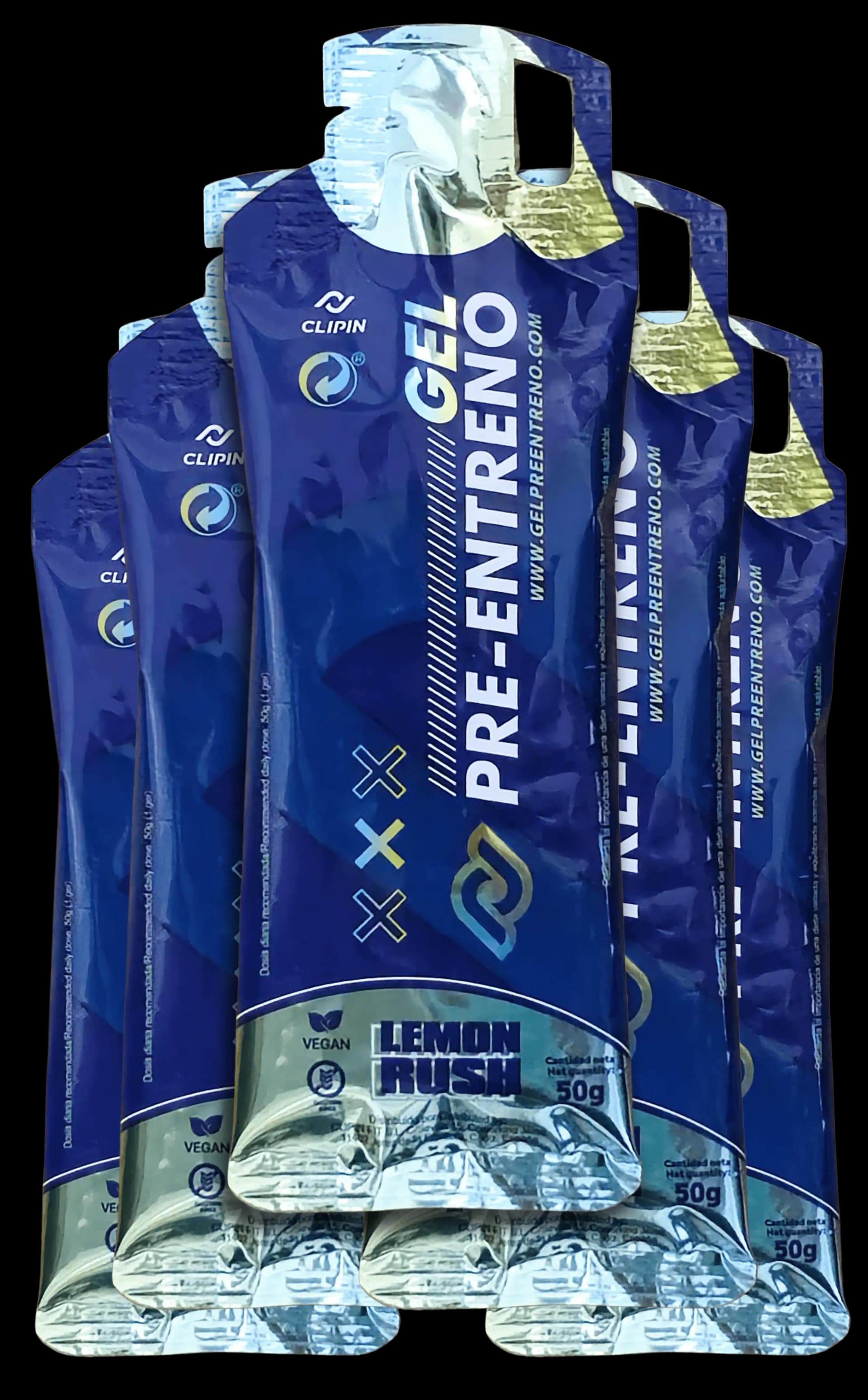
Powder, capsules, ready-to-drink, and gel formats all solve slightly different problems. If a format is easy to carry and actually fits your routine, that matters.
Red Flags On a Label
- Huge marketing claims with very little dose transparency.
- "Ultra high stim" positioning as if stronger always means better.
- Formulas trying to do everything at once with no clear purpose.
- Products that ignore sleep, tolerance, or digestive practicality.
Conclusion
What is in pre-workout depends on the formula, but the broad pattern is predictable: stimulants, anti-fatigue compounds, blood-flow ingredients, and support or recovery ingredients. The key is not memorizing every ingredient. The key is understanding what each one is trying to do, whether the dose makes sense, and whether it fits your training style.
Related Articles
- What is pre-workout? Complete guide
- Creatine vs pre-workout: which helps more?
- Best pre-workout: how to choose the right one for you
If you want to compare labels or ask how a formula fits your training, you can join the CLIPIN fitness community Discord.